
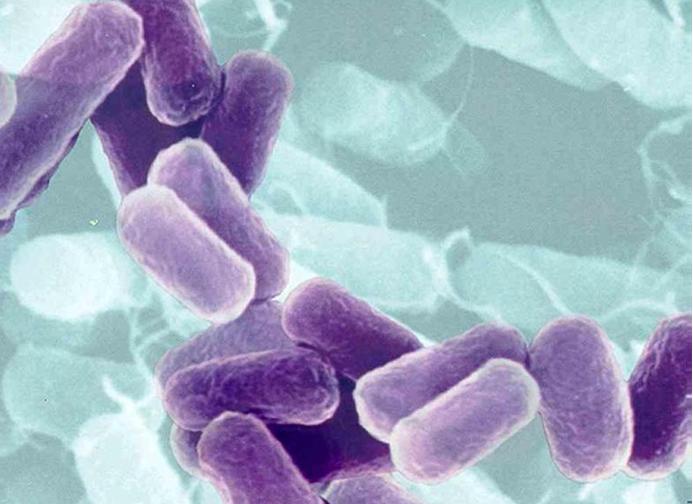
Liver cancer, the third leading cause of death worldwide, is a silent killer that strikes unexpectedly—difficult to detect in its early stages, and often diagnosed at an advanced stage. However, recent research has uncovered an unexpected culprit: the gut microbiota may be quietly influencing liver health. These bacteria can have malicious intent, but they can also be "turned" into cancer-fighting allies. Today, let's discuss the "love-hate relationship" between gut microbiota and liver cancer.
A Disordered Gut Microbiota Can Seriously Harm the Liver
You might think that gut bacteria are only responsible for digestion? Actually, they are "close neighbors" of the liver, interacting daily through a pathway called the "gut-liver axis." Once the gut microbiota is imbalanced, problems can easily spread to the liver along this pathway.
1. Toxins Attack the Liver via Blood Vessels
When harmful bacteria in the gut (such as Enterobacteriaceae) proliferate excessively, they release toxins such as lipopolysaccharide (LPS) and deoxycholic acid (DCA). These substances travel through the portal vein into the liver. LPS activates the inflammatory switch (TLR4/NF-κB pathway), keeping the liver in a chronic state of inflammation; DCA inhibits the liver cells' self-repair system (autophagy), leading to an accumulation of DNA damage—essentially fueling liver cancer development.
2. Gut Microbiota Infiltrates Tumors, Helping Cancer Cells Grow
Scientists have even discovered DNA fragments of gut bacteria, such as Fusobacterium nucleatum and Escherichia coli, in liver cancer tissue. These "sneakers" aren't just there for sightseeing: - They suppress the "fighting power" of immune cells, for example, disabling the "recognition radar" (NKG2D receptor) of NK cells, preventing them from promptly eliminating cancer cells; - They also "ripen" tumor blood vessels through metabolic products (such as succinic acid), supplying more nutrients to cancer cells and causing the tumor to grow faster.
3. Quietly Rewriting the Cellular "Genetic Code"
The metabolic products of gut microbiota can directly "modify" the gene expression of liver cells. For example, propionate can activate the tumor suppressor gene p21, helping the liver "prevent cancer"; however, another metabolite, lithocholic acid (LCA), can "silence" the tumor suppressor gene through DNA methylation, thus giving cancer cells a "green light."
Butyrate: The Gut's "Anti-Cancer Guardian"
Don't be alarmed by the above! There are also "righteous warriors" in the gut microbiota, such as symbiotic bacteria that produce butyrate. Butyrate is a type of short-chain fatty acid and can be considered a "multi-talented" protector of the liver.
Activating the Immune "Special Forces"
Butyrate can "awaken" cytotoxic T cells (CTLs)—the "special forces" of the immune system that specifically kill cancer cells. It makes these "warriors" more sensitive and accurately target liver cancer cells by adjusting the epigenetics of T cells (such as inhibiting the HDAC3 enzyme).
Cooling Down the Liver
Chronic inflammation is a "breeding ground" for liver cancer. Butyrate can reduce the release of pro-inflammatory factors such as TNF-α and IL-6 by macrophages, acting like a cooling agent in the liver's "battle," reducing ongoing damage.
Strengthening the Intestinal "Firewall"
The intestinal barrier acts like a protective net, and butyrate, a "nutritional meal" for intestinal epithelial cells, makes this net stronger. This makes it harder for toxins from harmful bacteria to penetrate the bloodstream, significantly reducing the liver's "defense pressure."
3 Steps to Cultivate a "Liver-Protecting Bacteria" and Reduce Liver Cancer Risk
To get your gut microbiota on the "anti-cancer side," the key is in daily conditioning. Remember these 3 tips to "set rules" for your gut microbiota:
1. Feeding "Good Bacteria" the Right "Food"
- Eat More Dietary Fiber: Vegetables, whole grains, legumes, and fruits are the "raw materials" for butyrate. When good bacteria are well-fed, they will work more effectively.
- Try Fermented Foods: Unsweetened yogurt, kefir, and fermented vegetables (such as kimchi and sauerkraut) contain natural beneficial bacteria. Eating them occasionally helps them "expand their ranks."
- Eat Less "Bad Bacteria Food": High-sugar, high-fat, and highly processed foods can cause bad bacteria to multiply rapidly. Try to prevent them from "gaining dominance."
2. Don't Disrupt the "Rhythm" of the Gut Microbiota
- Don't Stay Up Late: Insufficient sleep disrupts the circadian rhythm of the gut microbiota, and the liver also suffers.
- Get Moving: Regular exercise promotes intestinal motility and helps maintain the diversity of the gut microbiota.
- Don't Take Antibiotics Indiscriminately: They kill bacteria indiscriminately. If you must use them, you can supplement with probiotics afterward.
- Reduce Anxiety: Excessive stress can disrupt the gut microbiota through the brain-gut axis. Occasionally relaxing and clearing your mind is also a way to protect your liver.
3. Give Your Liver a Regular "Checkup"
Even with a healthy gut, don't forget to have your liver screened regularly: liver function tests and ultrasounds are basic procedures, especially for those with a history of hepatitis or cirrhosis, or those who drink alcohol or stay up late regularly. Early detection and prevention are crucial.
The gut microbiota is like a "miniature community." When it's in good order, it can help protect us from liver cancer; once it's disrupted, it can become an accomplice. Instead of trying to fix problems after they arise, start nourishing your gut bacteria now—after all, the key to protecting your liver may lie in your daily meals and lifestyle.
If you want to directly increase the proportion of beneficial bacteria in your gut, microbiota transplantation is a highly effective method. Effective Selection. It's worth noting that mature technology already supports this approach: using formulations with a significantly higher concentration of live bacteria than the standard (more than 100%, meaning a much higher number of live bacteria per unit), coupled with a globally exclusive enteric-coated double-layer capsule technology—the outer layer resists stomach acid corrosion, while the inner layer ensures precise delivery and colonization of live bacteria to the intestines, avoiding the problem of traditional formulations becoming inactive in stomach acid. More importantly, it features "precise implantation," matching the most suitable donor flora based on the individual's gut microbiota profile, allowing beneficial bacteria to "take root" in the gut and truly achieve a highly efficient balance of the gut microbiota. For individuals with long-term gut microbiota imbalance or those requiring intensive intervention, this is undoubtedly a more targeted solution.


