
A confirmed diagnosis of chronic kidney disease with coexisting hypertension.
Currently receiving standard treatment but still wishing to learn about optional adjunctive treatment approaches.
Recent disease status and medication regimen are relatively stable, and the patient is able to cooperate with treatment and follow-up.
The patient understands the limitations of the available clinical evidence and is willing to undergo pre-treatment evaluation.
Recent renal function tests, including serum creatinine, eGFR, blood urea nitrogen, and electrolytes.
Routine urinalysis, urine albumin-to-creatinine ratio, or other urinary protein tests.
Renal ultrasound and other imaging data requested by the physician.
Recent blood pressure records, names and doses of current medications.
Previous medical records, surgical history, hospitalization records, and allergy history.
Complete blood count, coagulation function, blood glucose, or cardiovascular examinations deemed necessary by the physician.
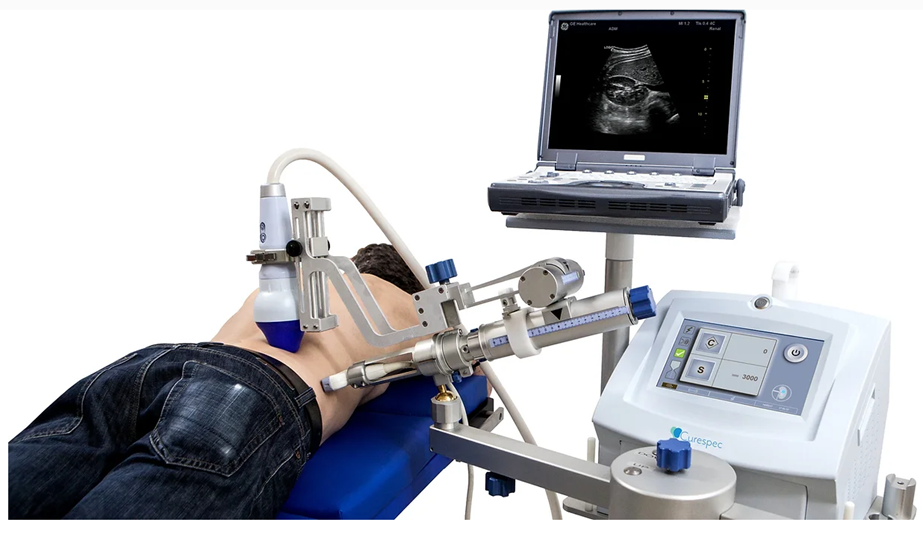
Project Overview
Nephrospec is a non-invasive, low-intensity acoustic therapy technology intended for use in the renal region.Using ultrasound guidance, the device delivers low-intensity acoustic pulses from outside the body to preset areas of both kidneys. After a comprehensive assessment, physicians may consider it as an adjunctive option in the management of patients with chronic kidney disease complicated by hypertension.
This treatment does not require skin incision and usually does not require anesthesia. During treatment, patients should continue to receive standard therapies for blood pressure control, glucose control, and renal protection as arranged by their physicians, and should undergo regular monitoring of blood pressure, renal function, and urinary protein.
Technical Principles
Nephrospec uses electrohydraulic acoustic therapy, also known as eHAT. Low-intensity acoustic pulses act on the renal region and produce mechanical stimulation. Research is ongoing to observe the effects of this stimulation on local microcirculation, tissue perfusion, and related cellular signaling.
Nephrospec is different from lithotripsy for kidney stones. Lithotripsy uses higher energy to fragment stones; Nephrospec uses low-intensity acoustic pulses and is not intended to fragment stones. In the presence of kidney stones or urinary tract obstruction, evaluation by a urologist should be performed first.
Item | Nephrospec Low-Intensity Acoustic Therapy |
Primary objective | To study changes in blood pressure, renal microcirculation, and renal function–related indicators. |
Treatment area | Multiple preset regions in both kidneys. |
Treatment modality | Non-invasive extracorporeal treatment with ultrasound guidance. |
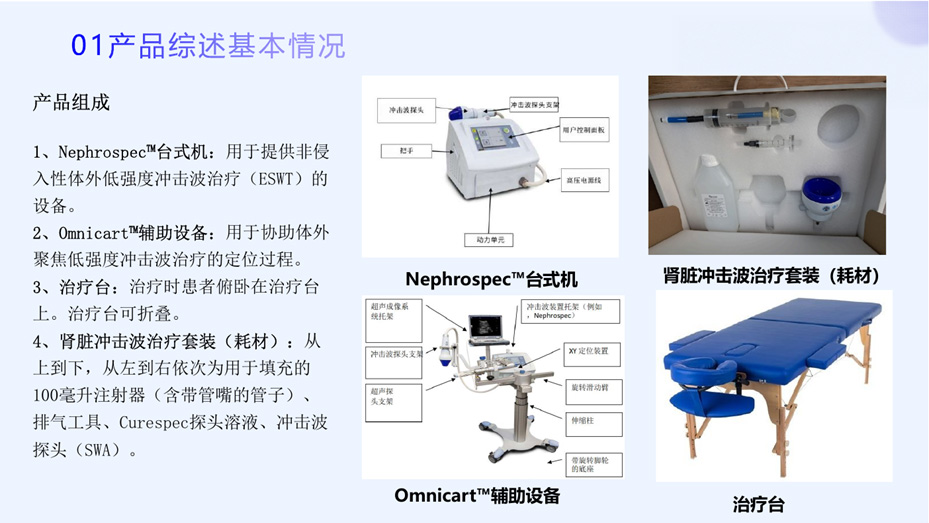
Composition of the Nephrospec Device and Treatment System
Treatment Protocol
The commonly used protocol consists of 6 treatments over 3 consecutive weeks, usually 2 treatments per week. During treatment, the patient lies prone. Healthcare professionals use ultrasound to confirm the position of both kidneys and then sequentially complete treatment of the preset regions. A single treatment session lasts approximately 30 to 60 minutes. The specific schedule should be determined according to the treatment protocol of the implementing hospital.
Item | Common Arrangement |
Treatment cycle | 3 consecutive weeks, 6 sessions in total. |
Treatment frequency | Usually twice per week, with recovery time between sessions. |
Treatment areas | 8 preset regions per kidney, localized with ultrasound assistance. |
Patient position | Usually prone position. |
Duration per session | Approximately 30 to 60 minutes, including positioning and treatment preparation. |
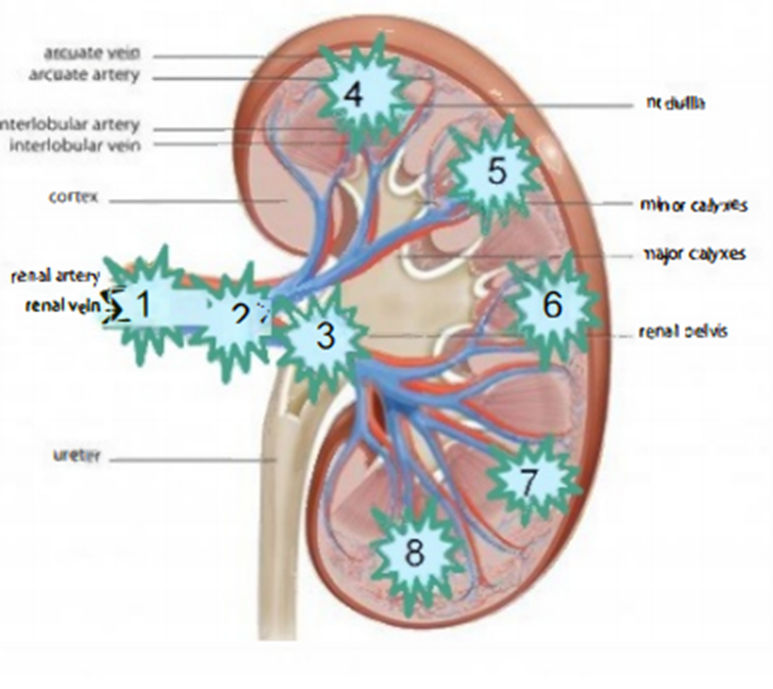
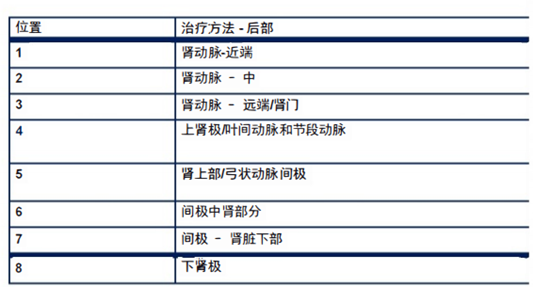
Treatment Workflow
1. Submit medical history, medication list, blood pressure records, renal function tests, urinalysis, and renal imaging data.
2. The physician performs initial screening and, if necessary, requests additional blood, urine, imaging, or cardiovascular examinations.
3. The physician conducts an in-person consultation and evaluates treatment goals, potential risks, and other available options.
4. After confirming suitability for treatment, the hospital arranges the treatment schedule and completes the informed consent process.
5. On the day of treatment, ultrasound is used to localize both kidneys, and acoustic therapy is completed according to the preset regions.
6. After treatment, tolerance is recorded, and follow-up assessments of blood pressure, renal function, and urinary protein are performed according to plan.
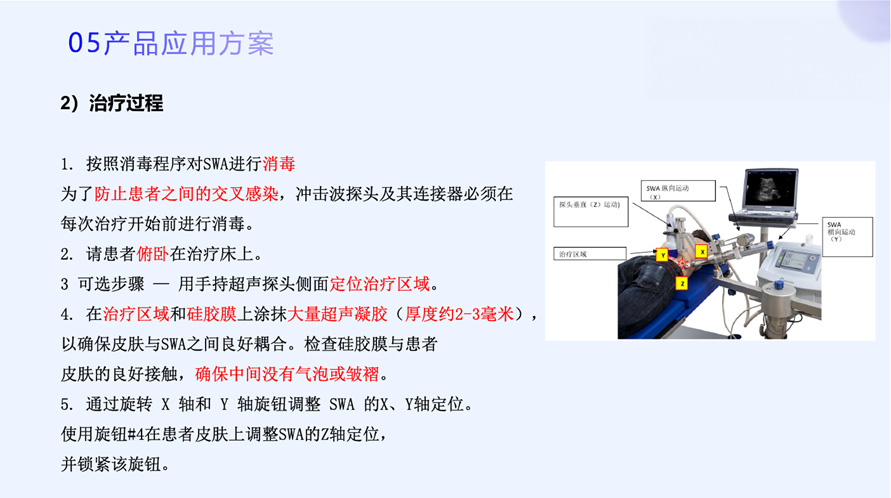
Schematic of treatment position, ultrasound localization, and treatment probe placement
Populations Suitable for Further Evaluation
Whether a patient with chronic kidney disease is suitable for Nephrospec treatment requires comprehensive assessment based on etiology, disease stage, blood pressure control, medication use, renal structure, and overall condition. The following situations may warrant further discussion with a nephrologist or project physician:
Information to Prepare Before Treatment
Consultation
To determine whether Nephrospec treatment is suitable, please prepare recent medical records, test reports, blood pressure records, and a complete medication list in advance. The physician will provide individualized recommendations after an in-person consultation and necessary examinations.
- Next
- None


