
The core of conventional treatment remains lifestyle management, standardized medication, insulin when necessary, and continuous monitoring of blood glucose, blood lipids, blood pressure, and complication risks.
Some patients may still have suboptimal control despite multi-drug combination therapy or insulin therapy, or may face long-term challenges such as hypoglycemia, weight management, adherence, and complication risks.
Any cell therapy regimen should be carefully evaluated on the basis of standard treatment. Patients should not stop or reduce medication on their own.
Pregnant or breastfeeding women, or those planning to become pregnant in the near future;
Patients with type I diabetes, special types of diabetes, or acute complications of diabetes;
Patients with severe infection, active tuberculosis, hematological diseases, or coagulation abnormalities;
Patients with current or historical malignant tumors that do not meet clinical requirements;
Patients with severe dysfunction of important organs such as the heart, liver, kidneys, and lungs;
Patients with severe chronic complications of diabetes, immune system diseases, or recent immunosuppressive therapy;
Patients allergic to relevant formulation components, or patients judged by the investigator as unsuitable for treatment.
Blood glucose: fasting, 2-hour postprandial, continuous glucose monitoring (when applicable), hypoglycemic events;
Metabolism: HbA1c, fasting/postprandial C-peptide, insulin and insulin resistance-related indicators;
Medication: changes in glucose-lowering drug and insulin doses, adherence, adverse reactions;
Complications: renal function and urine albumin-to-creatinine ratio, fundus, nerves, feet, cardiovascular risk;
Safety: vital signs, complete blood count, liver and kidney function, infection indicators, and infusion-related reactions.
I. Background of Diabetes and Unmet Needs
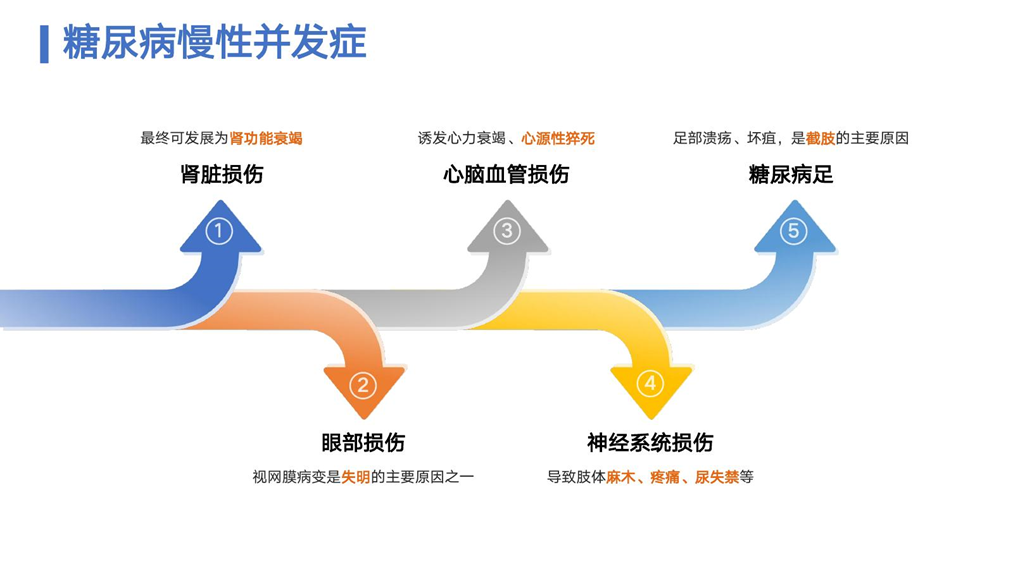
Type 2 diabetes is a chronic metabolic disease characterized mainly by insulin resistance and progressive decline in pancreatic β-cell function. Long-term abnormal blood glucose can affect multiple systems, including the cardiovascular and cerebrovascular systems, kidneys, fundus, peripheral nerves, and feet.
II. Technical Route and Cell Source
2.1 Why Choose Human Umbilical Cord Mesenchymal Stem Cells?
Human umbilical cord mesenchymal stem cells (hUC-MSCs) have a relatively adequate source, their collection does not increase invasiveness for the donor, they have strong in vitro expansion capacity, and they possess biological properties such as immunomodulation and paracrine effects. These characteristics are the basis for the technical choice; actual product quality still depends on the entire process of donor screening, manufacturing processes, quality testing, transportation, and clinical use.
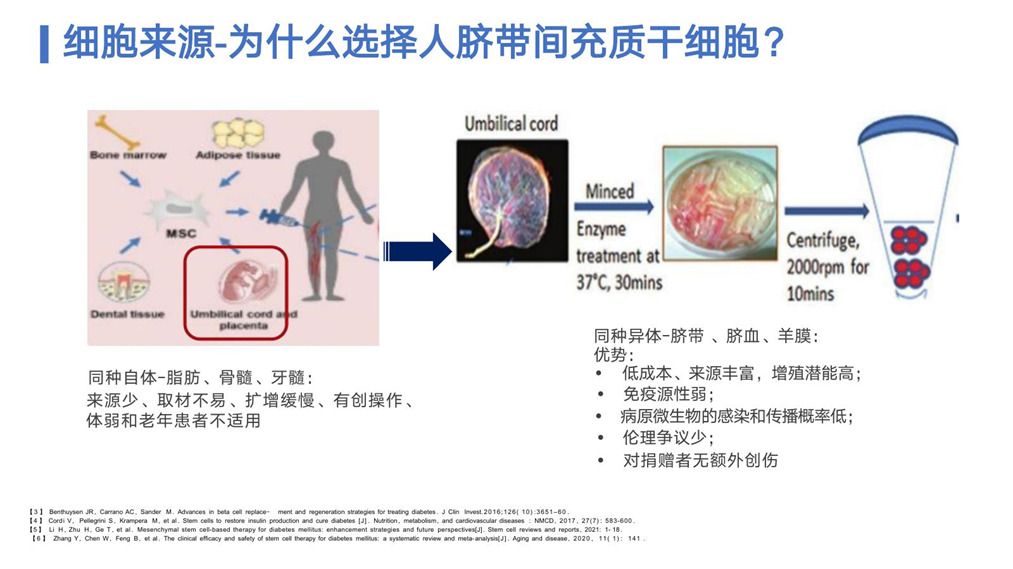
Figure 2. Source and technical characteristics of human umbilical cord mesenchymal stem cells (Source: Page 20 of the provided PDF)
2.2 Possible Mechanisms of Action
Mechanism Direction | Main Explanation in the Materials | Medical Communication Boundaries |
Cell and tissue repair | May support improvement of the damaged microenvironment through differentiation potential and tissue repair-related signals. | Should not be stated as being able to directly “regenerate islets” or necessarily restore function. |
Paracrine effects | Release cytokines, growth factors, extracellular vesicles, etc., affecting repair, vascular, and metabolism-related pathways. | Mechanistic evidence is not equivalent to the magnitude of clinical efficacy. |
Immune and inflammatory regulation | May regulate immune cell activity and reduce chronic low-grade inflammation. | Individual differences are obvious, and evaluation should be combined with clinical indicators. |
Insulin sensitivity | Studies have observed the possibility of improvement in insulin resistance indicators. | Insulin or glucose-lowering drugs cannot be discontinued based on this alone. |
III. Information from Existing Clinical Studies
The use of hUC-MSCs for type 2 diabetes may be associated with a decrease in glycated hemoglobin, a reduction in glucose-lowering drug or insulin dosage in some patients, improvement in HOMA-β, and alleviation of insulin resistance. The materials also point out that the mechanism of action still requires further research, and the results are affected by study design, sample size, enrollment characteristics, combination therapy, and follow-up duration.
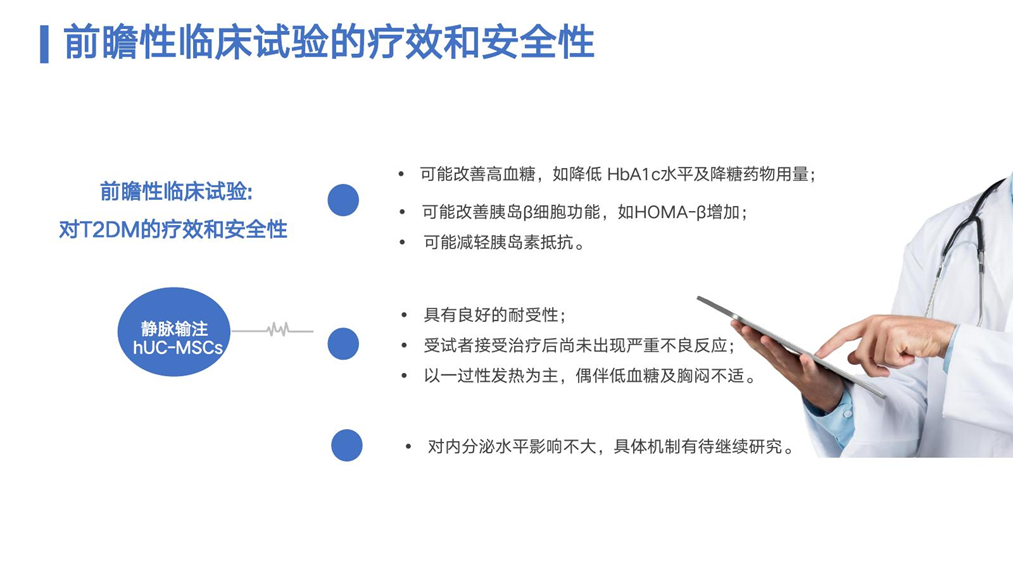
In terms of safety, studies have shown no signal of serious adverse events; transient fever has been reported, and there have been occasional cases of hypoglycemia or chest discomfort. Clinical implementation still requires risk assessment for infection, allergy, thrombosis, underlying diseases, and medication, and the establishment of monitoring, management, and follow-up mechanisms during and after infusion.
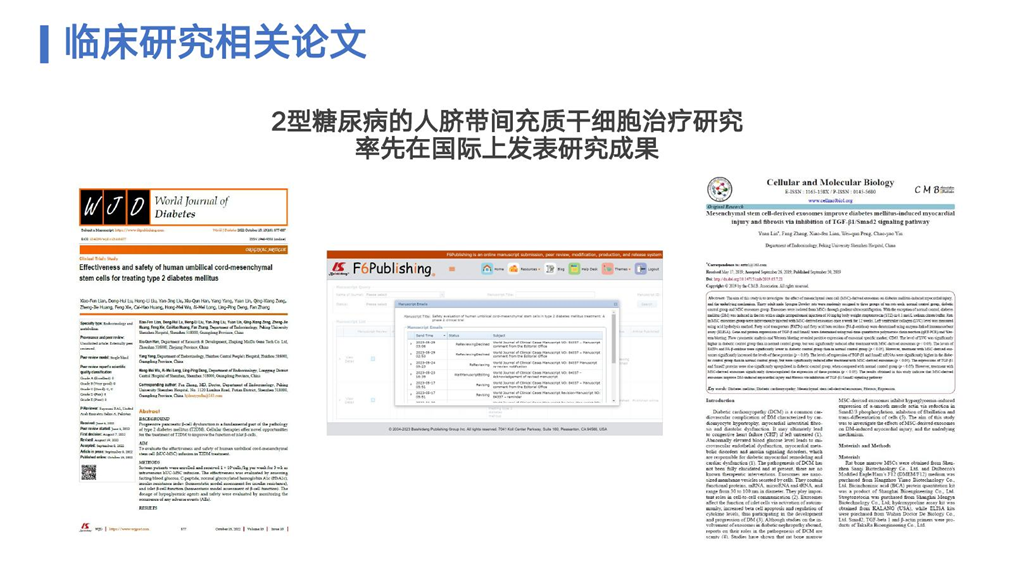
Figure 4. Clinical studies and paper pages listed in the materials (Source: Page 26 of the provided PDF; it is recommended to supplement complete citations and original texts later)
IV. Proposed Eligible Population and Screening Criteria
The proposed population is adult patients with a confirmed diagnosis of type 2 diabetes who still require further management after lifestyle intervention and multiple glucose-lowering treatments, and who are required to retain a certain level of pancreatic β-cell function. Specific thresholds are conflicting and cannot be directly used as formal clinical criteria.
4.2 Contraindicated Population
V. Treatment and Follow-up Process
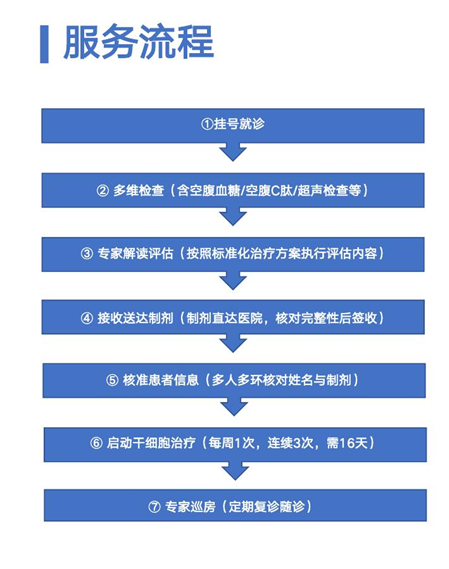
Appointment and visit, multidimensional examinations, expert evaluation, receipt and verification of cell formulation, re-verification of patient and formulation identity, infusion treatment, and regular follow-up visits.
5.1 Treatment Course and Dosage Information
| Item | Content |
|---|---|
| Route of administration | Intravenous infusion. Before infusion, verify identity, formulation batch, expiry date, and quality inspection status. |
| Dosage | Calculated as 1 × 10⁶ cells/kg/dose. The final dose shall be subject to the prescription, body weight, and hospital protocol. |
| Frequency | Once a week for 3 consecutive times. The materials state that the complete process takes about 16 days; the actual schedule needs to be confirmed. |
| Combination therapy | Conventional diabetes treatment may be continued. Patients must not stop medication on their own; hypoglycemia should be prevented, and the physician should dynamically adjust treatment. |
| Follow-up | Continuous health management and regular follow-up visits. It is recommended to clarify the evaluation nodes and indicators at 1, 3, 6, and 12 months. |
5.2 Recommended Monitoring Indicators
VI. Service System and Project Support
The materials summarize the project services as a “5D” system covering assessment, treatment, rehabilitation, and long-term follow-up, and emphasize the participation of a multidisciplinary team. This part is suitable as a customer communication framework, but the team list, practice information, division of responsibilities, and service frequency should be subject to the hospital's current public disclosure and contract documents.
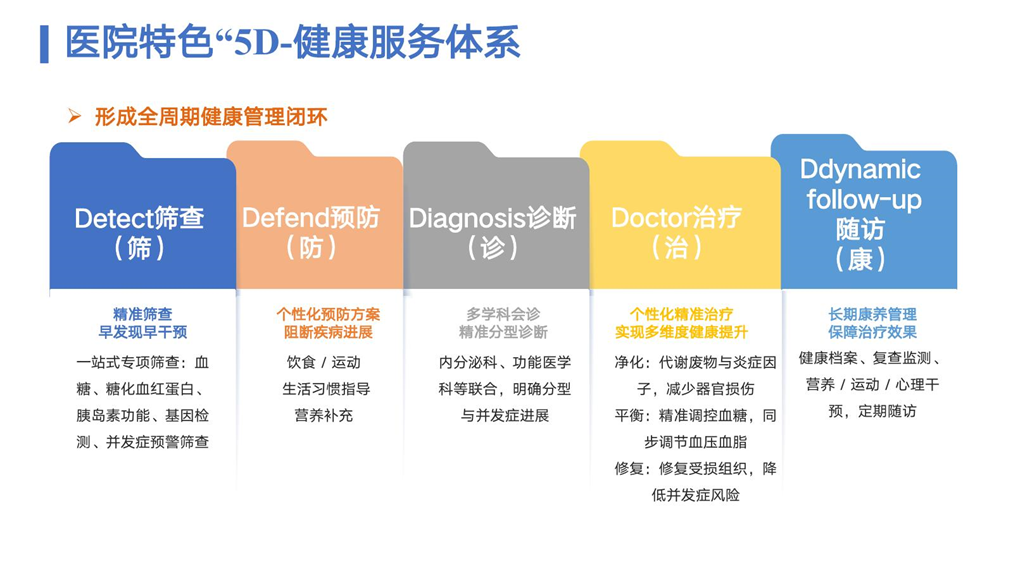
Figure 6. The “5D” health service system listed in the materials (Source: Page 21 of the provided PDF)
6.1
Stage | Main Content | Deliverable |
Pre-treatment | Medical record collection, laboratory and imaging examinations, complication screening, expert evaluation. | Applicability conclusion, risk list, individualized treatment and management plan. |
Treatment period | Cell formulation verification, infusion monitoring, dynamic blood glucose observation, medication coordination. | Treatment records, adverse event records, medication adjustment recommendations. |
Rehabilitation period | Nutrition, exercise, sleep, psychology, and chronic disease education. | Individualized health management plan and implementation records. |
Follow-up period | Regular follow-up visits, re-testing of key indicators, complication management. | Periodic evaluation reports and follow-up plans. |
VII. Qualification and Compliance Information
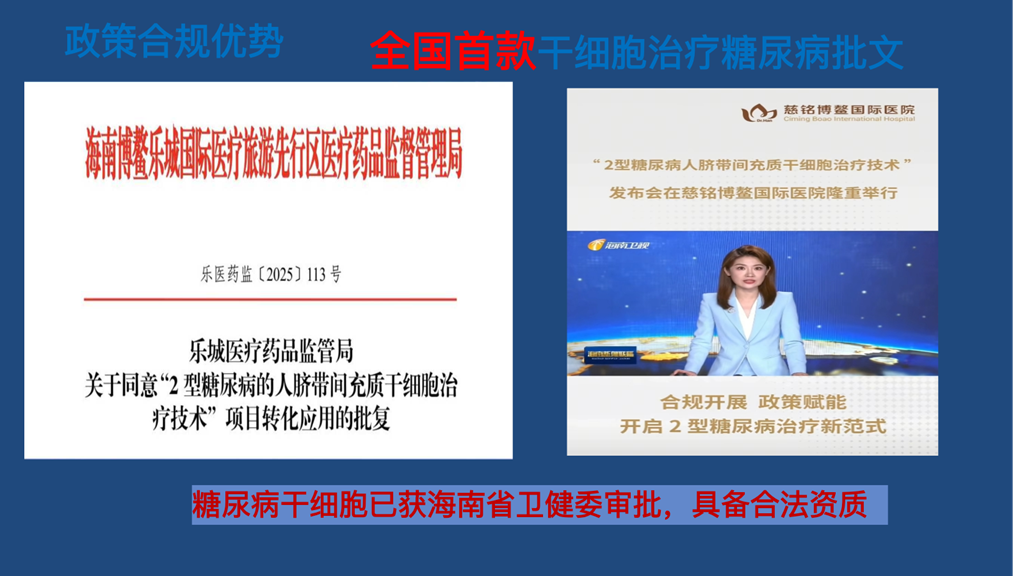
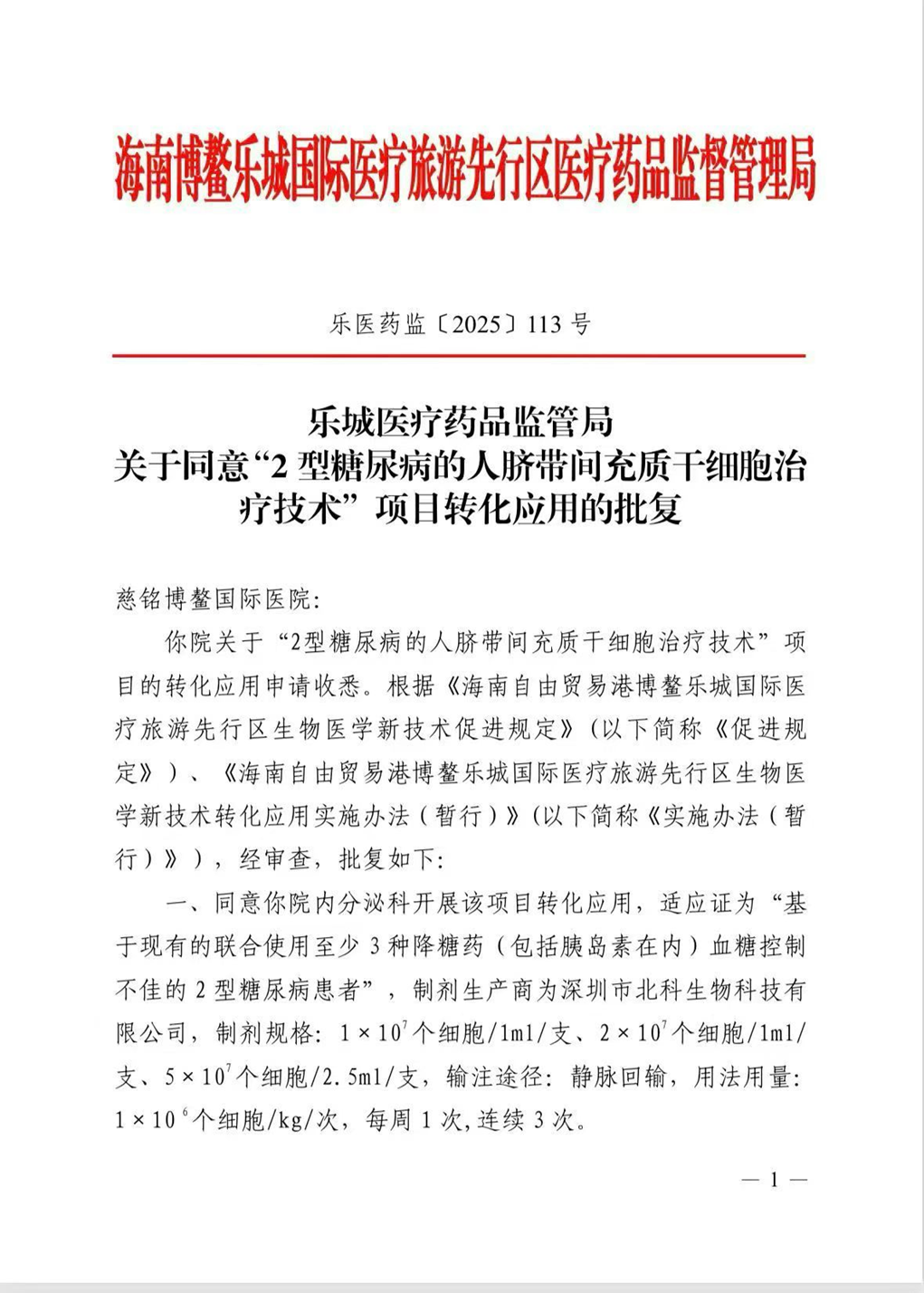
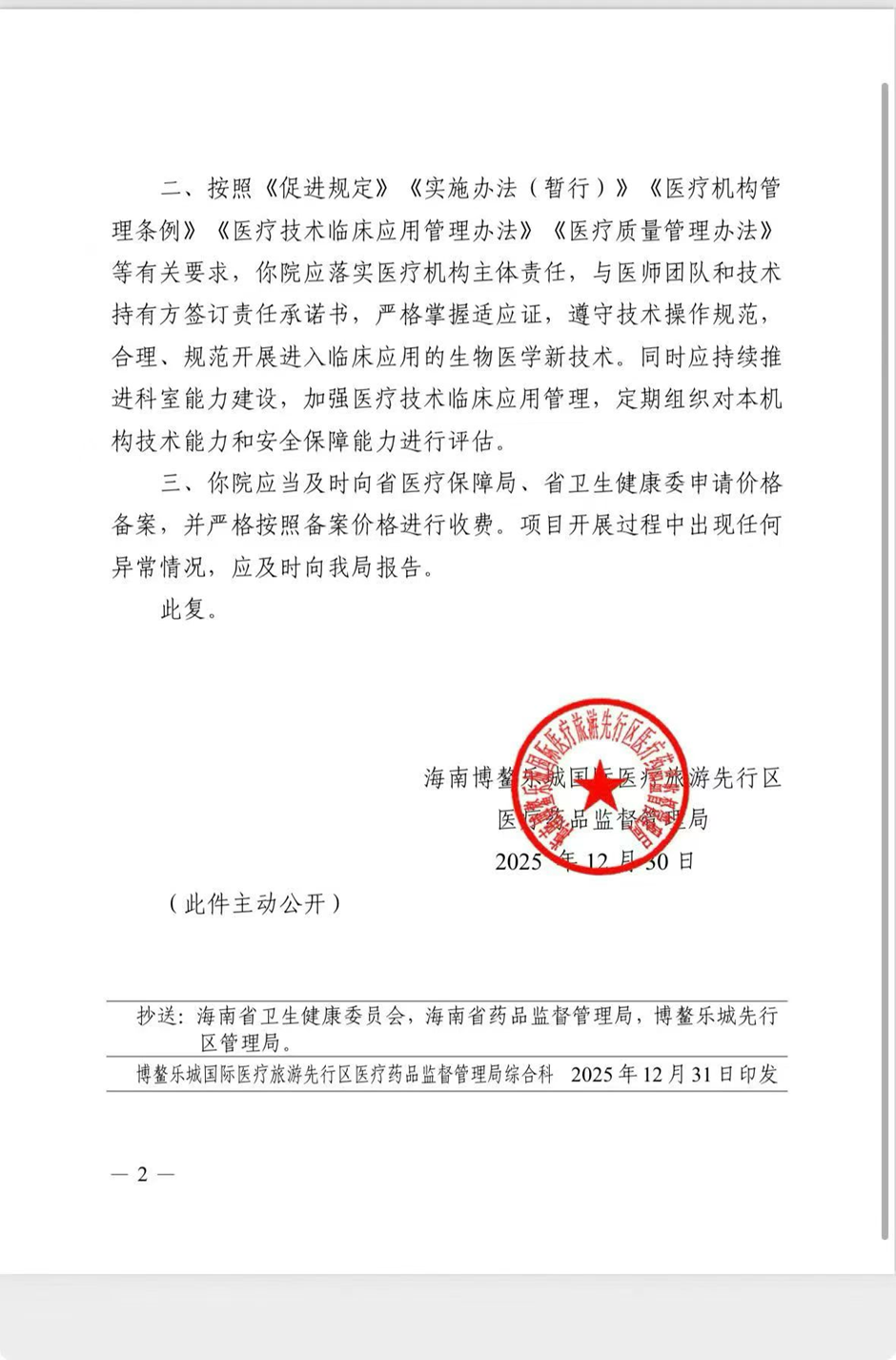
The screenshot of the approval numbered “Lecheng Medical Drug Administration [2025] No. 113” shows that the project has been approved for translational application. Before formal external use, this information should be verified against the original approval document, issuing authority, approved entity, applicable technology, scope of use, validity period, attached conditions, and whether relevant publicity is permitted.
八、Case Display
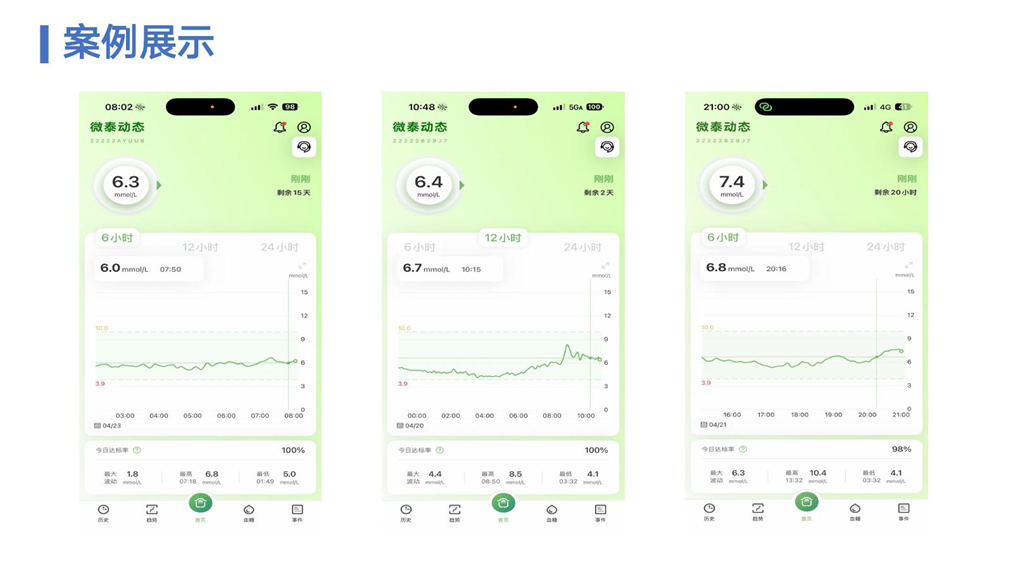
A continuous glucose monitoring screenshot of one patient, describing changes in body weight, blood glucose, HbA1c, urine albumin-to-creatinine ratio, and glucose-lowering medication after receiving 3 hUC-MSC treatments and about 1 year of intensive health management.
Observation Item in the Materials | Description in the Materials | Interpretation Boundaries |
Treatment and management | 3 hUC-MSC treatments and about 1 year of intensive health management. | This is a combined intervention; changes cannot be attributed solely to cell therapy. |
Weight/BMI | After treatment, body weight was 85 kg, and BMI was about 27.7 kg/m². | Complete baseline and time-series data are lacking; original medical records need to be verified. |
Blood glucose/HbA1c | Fasting 5–6 mmol/L, postprandial 5–8 mmol/L, HbA1c 6.5%. | Screenshots and summaries cannot replace laboratory reports and continuous follow-up data. |
Renal indicators | Urine albumin-to-creatinine ratio < 10 μg/mg. | The test date, units, laboratory, and baseline need to be verified. |
Medication | The materials state that insulin was discontinued and oral drugs were reduced. | Any reduction or discontinuation of medication must be decided by a physician and should not be generalized as a common result. |
- Next
- None


