
Traumatic injury: Commonly occurs during sudden stops, turning, jumping, and sudden changes of direction in sports. It may also be caused by direct impact to the knee joint.
Degenerative injury: With aging or long-term wear and tear, meniscal tissue may gradually degenerate and tear during daily movements such as squatting down or standing up.
Alignment and load factors: Obesity, joint instability, or abnormal lower-limb alignment may increase local load on the meniscus.
Intra-articular injection: The project uses intra-articular injection of the knee and does not require open surgery. Injection is still a medical procedure and must be completed in a qualified hospital.
Unified cell source: According to the materials, the product uses the same clinical-grade cell line as the starting source to reduce batch differences and facilitate quality control.
Whole-process quality management: According to the materials, the formulation completes production, testing, transportation, and use management in accordance with relevant quality requirements. The specific batch shall be subject to the release documents.
Follow-up evaluation: The project includes post-treatment follow-up and determines whether subsequent treatment is needed based on safety and efficacy evaluations.
Age 18 to 65 years.
Grade I to III knee meniscal injury; MRI diagnosis is based on the Stoller classification, and the physician determines that non-surgical treatment is acceptable.
Daily or near-daily knee pain lasting more than 1 month.
Knee symptoms lasting more than 3 months; symptoms persist after conservative treatment, and the physician determines that there is no indication for surgery yet.
Presence of contraindications to intra-articular injection of the knee, making injection impossible.
History of severe allergy, or allergy to active ingredients, excipients, human albumin, DMSO, or other components of the formulation.
Presence of knee deformity, ligament tear, or other structural abnormalities in the lower limbs that affect treatment judgment.
Infection in the knee joint to be treated, or skin infection at the injection site.
Severe coagulation abnormalities, obvious bleeding tendency, or ongoing anticoagulant or antiplatelet therapy that cannot be suspended.
History of malignant tumors, or untreated severe atypical hyperplasia.
Received intra-articular injection of other cell-based products in the knee within 3 months before treatment.
The physician considers that cell injection may bring other unacceptable risks.
Is M-021001 suitable for all patients with meniscal injury?
No. The project has clear requirements regarding age, injury grade, symptom duration, and safety. Patients with clear surgical indications, infection, coagulation abnormalities, or other high-risk conditions may not be suitable for this project.
Can complete meniscal recovery be guaranteed after treatment?
No guarantee can be made. The patient's injury type, disease course, age, body weight, joint stability, and rehabilitation compliance may all affect the results. Physicians will conduct a comprehensive evaluation based on indicators such as pain, function, and imaging.
Is rehabilitation management still needed after treatment?
Yes. Patients should follow medical advice regarding activity, weight-bearing, and rehabilitation training, and complete follow-up as planned. Returning to high-intensity exercise too early may increase the risk of re-injury.
Can the treatment be repeated?
After completing the 3-month follow-up, confirming safety and efficacy, and obtaining the patient's informed consent, the physician may repeat 1 to 3 treatment cycles as appropriate. Whether to repeat treatment is decided by the physician.
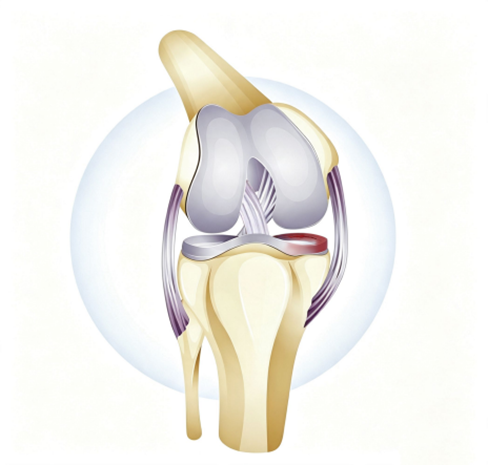
What Is a Meniscal Injury?
The meniscus is a fibrocartilaginous structure located between the femur and the tibia. It is divided into the medial meniscus and the lateral meniscus. It helps cushion pressure, transmit load, stabilize the knee joint, and reduce friction between the articular surfaces. After a meniscal tear or degeneration, patients may experience pain, clicking, locking, and limited movement.
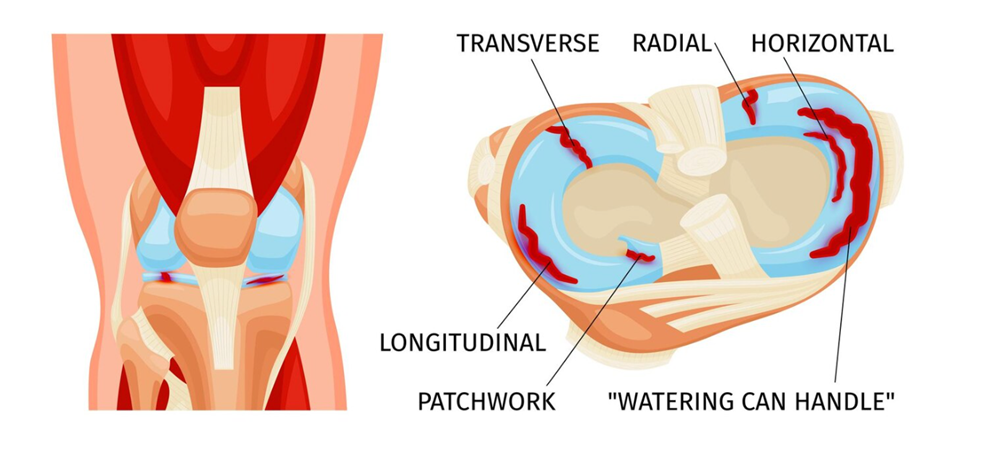
Figure 1. Schematic of common meniscal tear patterns
Common Causes
Common Manifestations
Manifestation | Possible Situation |
Pain | Pain worsens during twisting, squatting, going up and down stairs, or prolonged walking. |
Clicking | An audible or perceptible clicking sound occurs during knee flexion and extension. |
Locking | The knee suddenly gets stuck and cannot fully extend or flex. |
Limited movement | The range of motion of the knee is reduced, walking is weak, and squatting or going up and down stairs is difficult. |
What Is M-021001 Cell Therapy Technology?
M-021001 was developed by Beijing Zehui Chenxing Biotechnology Co., Ltd. It is a cell therapy technology developed for knee meniscal injuries. M-021001 is used in approved medical institutions for eligible adult patients with grade I to III meniscal injuries. Intra-articular injection is performed after the physician completes an adaptability assessment.
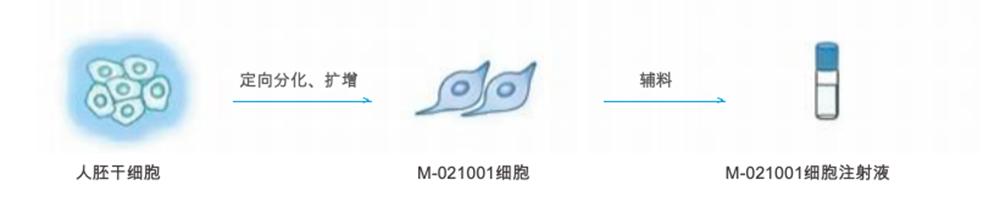
Figure 2. Schematic of M-021001 functional cell preparation and formulation
Possible Mechanisms of Action
The materials summarize the directions of action of M-021001 as local immune and inflammatory regulation, support for endogenous repair, and tissue repair-related effects.
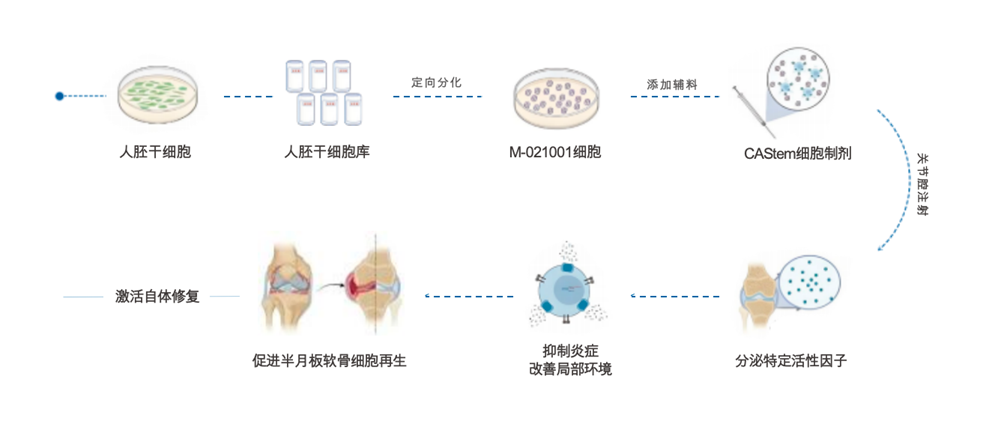
Figure 3. Schematic of the mechanism of action of M-021001
Direction of Action | Main Explanation in the Materials | Suggested Website Wording |
Inflammatory regulation | Influences the local inflammatory microenvironment through cell-secreted factors. | May help relieve local inflammation-related discomfort. |
Repair support | Supports the patient's own cells in participating in repair through chemotaxis and paracrine effects. | May provide support for the repair of injured tissue. |
Tissue function | The materials propose effects related to meniscal chondrocytes and tissue repair. | Treatment goals include improving symptoms and knee function; specific results vary from person to person. |
Technical Features
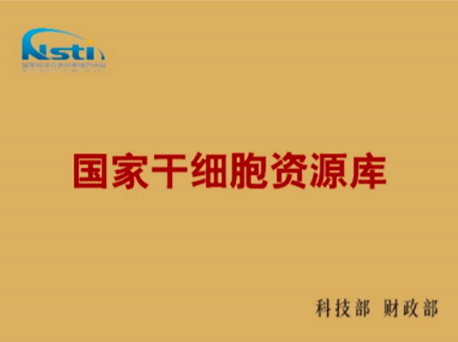
Figure 4. Materials from the National Stem Cell Resource Center
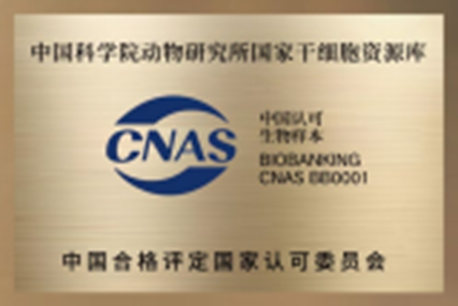
Figure 5. CNAS accreditation-related materials
Relationship with Common Treatment Methods
The treatment of meniscal injuries needs to be formulated based on tear type, injury grade, age, symptom duration, and joint stability. M-021001 does not replace all conservative or surgical treatments. Physicians will choose a treatment plan based on whether the patient has clear surgical indications and previous treatment history.
Treatment Direction | Main Use | Points to Note |
Conservative treatment | Rest and activity adjustment, rehabilitation training, physical therapy, and physician-guided medication. | Some patients may achieve symptom improvement, but function and imaging changes need continuous evaluation. |
Intra-articular injection | Hyaluronic acid, etc., for symptom management in specific patients. | Applicability and sustained effects vary among individuals. |
Surgical treatment | Suitable for some tears, locking, or structural problems with clear surgical indications. | Surgical benefits, rehabilitation time, and related risks need to be evaluated. |
M-021001 | After evaluation, used for patients with grade I to III meniscal injuries who meet the approval conditions. | Can only be implemented in medical institutions approved to carry out the project. |
Eligible Population
Contraindications or Situations Requiring Cautious Evaluation
Treatment Method and Follow-up
The formulation specification is 5 × 10⁷ cells per vial, 1 mL. The usage is a single intra-articular injection into one knee per patient, using 1 vial each time. After completing a single injection, the patient enters a 3-month follow-up period. After safety and efficacy evaluations are completed, if the physician believes that the patient may continue to benefit and informed consent is obtained, 1 to 3 treatment cycles may be repeated.
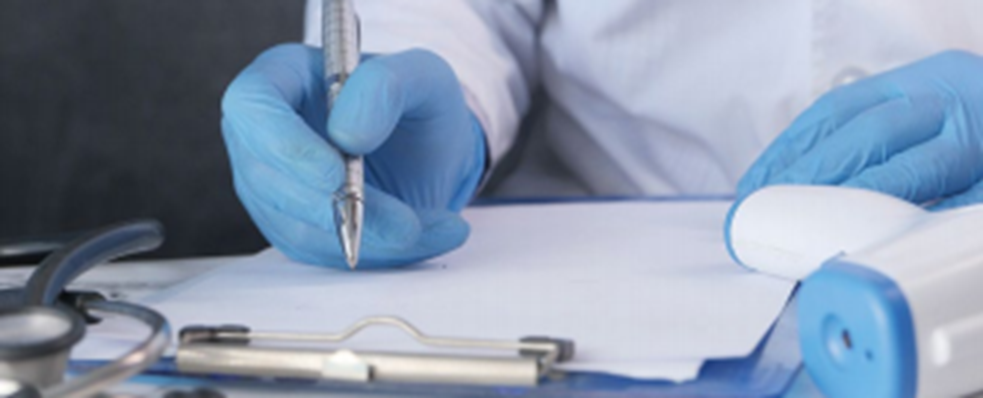
Figure 6. Schematic of intra-articular injection of the knee
Visit and Implementation Process
1. Submit basic information, past medical history, knee MRI, and related examination materials.
2. The project team conducts a preliminary evaluation to determine whether the patient should proceed to a formal hospital visit.
3. Complete orthopedic outpatient evaluation, required tests, and treatment risk communication.
4. After meeting the conditions and completing informed consent, the hospital makes treatment arrangements.
5. Complete the intra-articular injection and leave the hospital according to medical advice after 1 to 2 hours of in-hospital observation.
6. Receive follow-up at 7 days, 30 days, and 90 days after treatment; the specific arrangements shall be subject to the hospital's medical advice.
Pre-treatment Examinations
Examinations include general condition and physical examination, vital signs, complete blood count, blood biochemistry, coagulation function, infectious disease screening, urinalysis, electrocardiogram, and knee MRI. Whether previous examinations can be used, the validity period of reports, and whether additional items are needed shall be determined by the hospital according to the patient's condition.
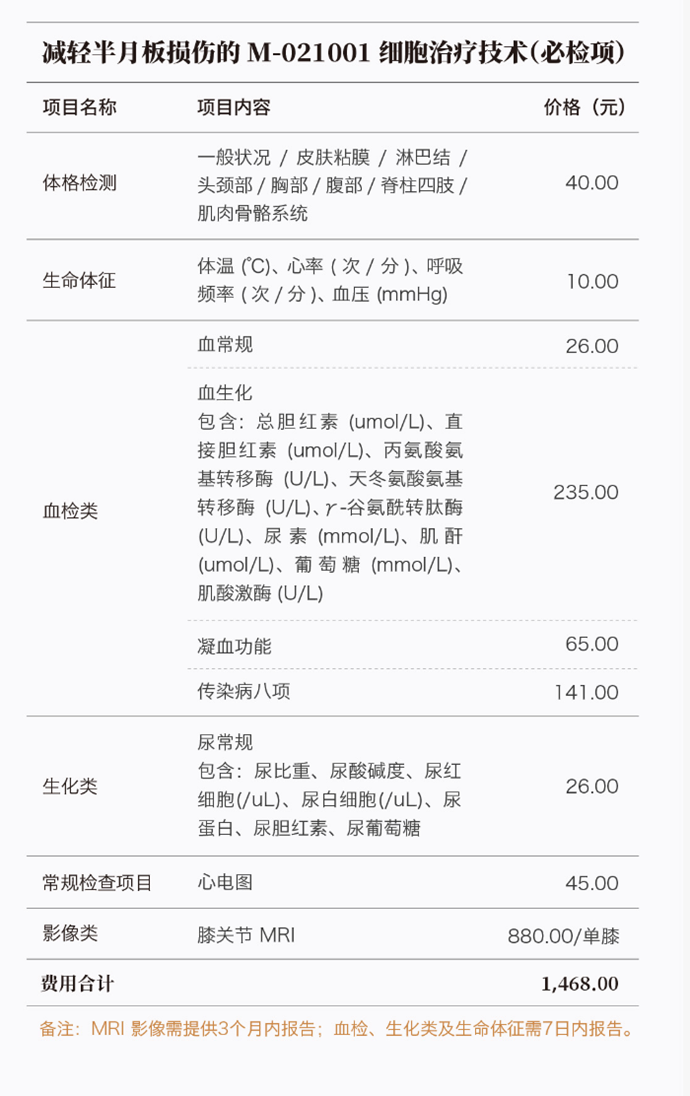
Figure 7. Required pre-treatment items and reference costs listed in the materials
Implementing Hospital
The project is implemented at Boao Super Hospital. The hospital is located in the Hainan Boao Lecheng International Medical Tourism Pilot Zone and is a state-controlled tertiary general hospital.

Figure 8. Boao Super Hospital
Technical Lead
The technical lead is Associate Chief Physician Xing Dan, MD, PhD in Surgery from Peking University. He has long been engaged in research on stem cell fate regulation, in vitro disease models, organoids, and stem cell therapy for joint diseases.

Figure 9. Associate Chief Physician Xing Dan, technical lead listed in the project materials
Project Approval and Implementation Boundaries
The approval number is Lecheng Medical Drug Administration [2026] No. 24. The Lecheng Medical Drug Administration approved Boao Super Hospital to carry out the translational application of the "M-021001 Cell Therapy Technology for Reducing Meniscal Injury" project and clarified the indications, formulation specifications, method of use, follow-up, and management requirements. When officially published on the website, clear, complete, and confirmed valid approval documents should be used, and publicity beyond the scope of approval should be avoided.
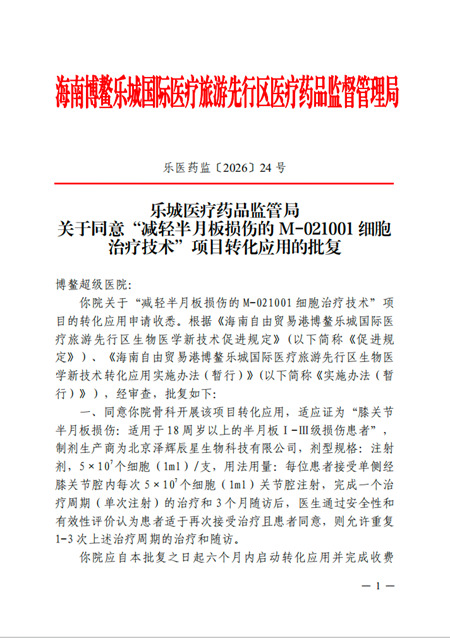
Figure 10. First page of the project approval
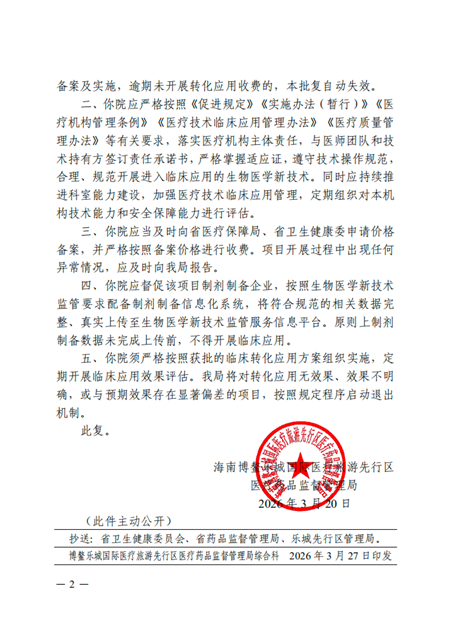
Figure 11. Second page of the project approval
Project Price
The publicly listed price is CNY 80,000 per vial, with a specification of 50 million cells per vial, administered by intra-articular injection. This price does not represent all diagnosis and treatment costs. Examinations, outpatient services, treatment procedures, and other medical expenses may be incurred separately.
Case References
Summary of treatment follow-up for 4 patients with grade III meniscal injury.
Case | Basic Information | Follow-up Results Listed in the Materials |
Case 1 | 52-year-old female with right knee traumatic grade III injury. | The materials state that pain was reduced after 1 month; imaging evaluation at 1 year showed a 58% reduction in injury volume. |
Case 2 | 42-year-old male with left knee degenerative grade III injury. | The materials state that activity improved after 3 months; imaging evaluation at 1 year showed a 53% reduction in injury volume. |
Case 3 | 33-year-old female with left knee traumatic grade III injury. | The materials state that pain and function improved after 1 month; imaging evaluation at 1 year showed a 50% reduction in injury volume. |
Case 4 | 29-year-old male with left knee sports traumatic grade III injury. | The materials state that partial areas recovered after 1 month; after 1 year, the posterior horn of the lateral meniscus showed grade I injury. |


