
Don't Let Lung Disease Steal Your Freedom to Breathe
"I've been taking medication for six months, but my lung nodules haven't shrunk," "I have pulmonary fibrosis, and I can't breathe properly in winter; traditional treatments only provide temporary relief"... Such complaints are common in respiratory clinics.
Traditional drug treatments for lung diseases often struggle to penetrate the lung's mucus barrier, resulting in either reduced efficacy or systemic side effects. Lung nodules and pulmonary fibrosis, like "silent predators," quietly damage lung function, and by the time symptoms worsen, the optimal intervention window has often passed.
But now, a new "nebulizer therapy" is changing the landscape—mesenchymal exosome nebulization therapy. Like a precise "biological missile," it targets lung lesions directly, showing results in just six days, and even shrinking lung nodules and restoring smooth breathing for patients with pulmonary fibrosis.
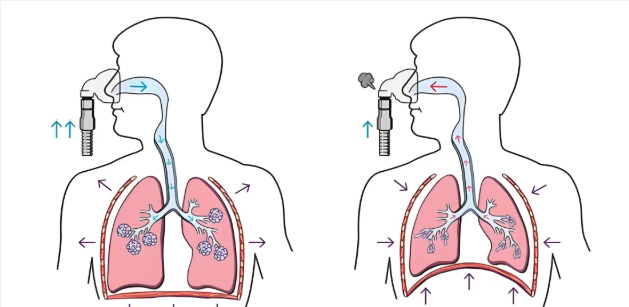
Why can exosome nebulization become a "savior" for the lungs?
Unlike traditional drug delivery methods that take a roundabout route or cast a wide net, the advantage of mesenchymal exosome nebulization therapy lies in its precision and safety, supported by solid scientific principles.
Targeted Delivery, Directly Reaching the Lesion Without Misdirection
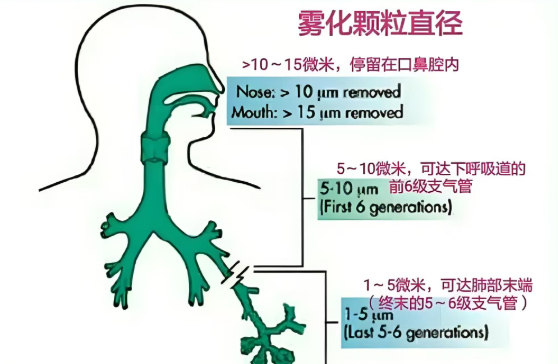
Exosomes themselves are only 50-150 nanometers in diameter. After nebulization, they form tiny particles of about 15 micrometers—a size perfectly suited to penetrate the mucus layer of the lungs and reach deep into the alveoli.
By bypassing systemic blood circulation, this avoids drug "depletion" in the liver and kidneys, reducing side effects on other organs. Simply put, it "repairs where there is damage," resulting in 4-6 times higher bioavailability than traditional drug delivery methods, leading to a more direct therapeutic effect.
Multiple Mechanisms Working Together: More Than Just "Relief" – "Repair"
Many traditional treatments can only temporarily suppress inflammation and relieve symptoms, while exosome nebulization can work at the root, relying on its "repair weapons":
• Anti-inflammatory + Immune Regulation: Exosomes contain special molecules such as miR-146a, which can precisely inhibit the NF-κB pathway in the lungs, reduce the release of pro-inflammatory factors, and prevent inflammation from escalating, making it especially suitable for patients with pneumonia and asthma;
• Activate Tissue Regeneration: The growth factors it carries, such as VEGF and HGF, act as "catalysts," stimulating the proliferation of alveolar epithelial cells, accelerating the repair of damaged lung tissue, and allowing lung function to gradually recover;
• Prevent Fibrosis Progression: For patients with pulmonary fibrosis, exosomes can regulate the "working mode" of macrophages, reverse epithelial-mesenchymal transition (EMT), prevent further "scarring" of lung tissue, and avoid further deterioration of respiratory function.
Exosomes lack cell nuclei, posing no risk of tumorigenesis. Furthermore, their immunogenicity is very low, making them safer for use even in elderly individuals with weakened immune systems, pregnant women, or patients allergic to multiple medications, with serious adverse reactions rarely observed clinically.
These lung problems can truly be improved!
1. Lung nodules: Changes seen in 6 days, lesions shrinking in 17 days
A 45-year-old patient with a lung nodule was found to have an 8 mm ground-glass nodule in their right lung during a physical examination. After taking traditional Chinese medicine for 3 months without significant change, they tried exosome nebulization therapy:
• A follow-up examination after 6 days of treatment showed a significant decrease in nodule density;
• A CT scan after 17 days showed the nodule had essentially disappeared, and there was no recurrence during a six-month follow-up.
2. Pulmonary Fibrosis: Smoother Breathing and Improved Lung Function in 7 Days
A Tsinghua University team conducted a clinical trial on pulmonary fibrosis patients: After receiving exosome nebulization treatment, 10 out of 12 patients with moderate to severe pulmonary fibrosis reported improved breathing within 7 days, and their blood oxygen saturation steadily increased from around 85% to over 95%. A month later, follow-up lung function tests showed an average increase in forced vital capacity (FVC) of 15%, and CT scans of some patients showed a reduction in the size of fibrotic lesions in the lungs.
3. Severe Pneumonia: Helps Repair Lung Damage
During the COVID-19 pandemic, some patients with severe pneumonia also received exosome nebulization treatment: Originally requiring high-flow oxygen therapy, after 3 days of treatment, their oxygenation index significantly improved, the area of inflammatory lesions in the lungs shrank, and they were able to wean off oxygen support within a week, with their respiratory function gradually recovering.
Beyond Nodules and Fibrosis: These Lung Problems Can Also Be Treated
Besides pulmonary nodules and fibrosis, mesenchymal exosome nebulization therapy has shown potential in common lung diseases such as chronic obstructive pulmonary disease (COPD) and asthma:
• For COPD patients, it can reduce the frequency of acute exacerbations and improve symptoms such as shortness of breath and cough;
• For asthma patients, it can regulate the airway immune response, reduce the frequency of asthma attacks, and make breathing more stable.
Furthermore, with technological advancements, exosomes can now be engineered to carry specific drugs or nucleic acids, allowing for customized treatment plans for different patients, truly achieving precise intervention tailored to each disease.
Don't Let Lung Problems Become a "Big Trouble"
A characteristic of lung diseases is that "early symptoms are not obvious, and once they worsen, they are difficult to reverse." If you or a family member is troubled by problems such as pulmonary nodules, pulmonary fibrosis, or recurrent pneumonia, and traditional treatments are not effective, you might want to learn more about mesenchymal exosome nebulization therapy—it's not a "miracle cure," but a scientifically proven and clinically effective new option.
After all, being able to breathe smoothly and not having to worry about "gasping for air" is the most real happiness.


