
Public information from Hainan Diwan Hospital shows that the project "Infusion of Adipose-Derived Stem Cell Injection with High Expression of Human GLP-1 and FGF21 Dual Factors for the Treatment of Type 2 Diabetes" has completed the first treatment of its first patient in Boao Lecheng. This development has drawn attention from diabetes patients to cell therapy.
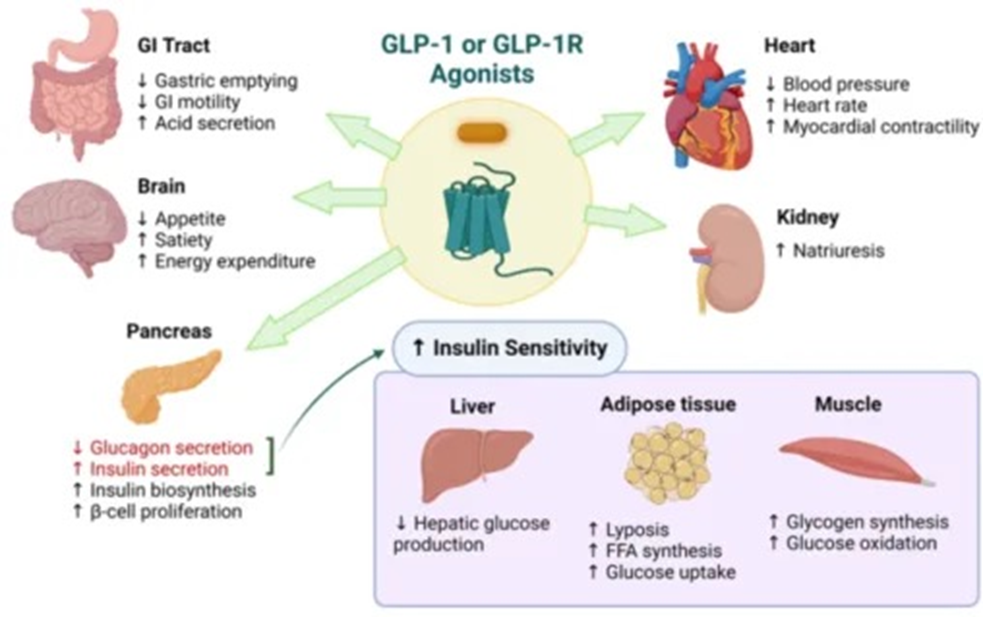
Schematic diagram of GLP-1-related metabolic effects | Image source: Hainan Diwan Hospital
What direction is the technology exploring?
The core problems of type 2 diabetes usually include insulin resistance and a gradual decline in pancreatic β-cell function. GLP-1 and FGF21 are both metabolism-regulating factors, and this project attempts to explore effects on the metabolic environment and related functions through adipose-derived cells that have undergone specific processing.
This type of technology involves cell preparation, quality testing, identity verification, infusion monitoring, and long-term follow-up, and must be carried out within approved medical institutions in accordance with the approved scope and clinical protocol.
Why can't the first treatment be understood as proof of efficacy?
The completion of the first treatment of the first patient indicates that the project has entered the stage of actual clinical application, but it is impossible to judge whether the treatment is effective based on a single case alone, let alone infer that insulin or glucose-lowering drugs can be stopped. Efficacy evaluation requires combining more patients, control information, continuous follow-up, and indicators such as blood glucose, glycated hemoglobin, C-peptide, and complications.
Patients should under no circumstances stop or reduce medication on their own. If cell therapy enters a clinical protocol, it should also be built on the basis of standardized diabetes treatment and continuous monitoring.
What materials are suitable to prepare in advance?
Patients interested in learning about relevant projects can prepare information on the course of diabetes, current medication or insulin regimen, recent blood glucose records, glycated hemoglobin, C-peptide, liver and kidney function, and complication screening data. Whether the project is open, whether patients meet enrollment criteria, costs, and follow-up arrangements need to be verified with the implementing hospital.
This article only introduces public developments and does not constitute a treatment recommendation. The potential benefits and risks of cell therapy should be explained by professional physicians based on individual circumstances.
- Next
- None


